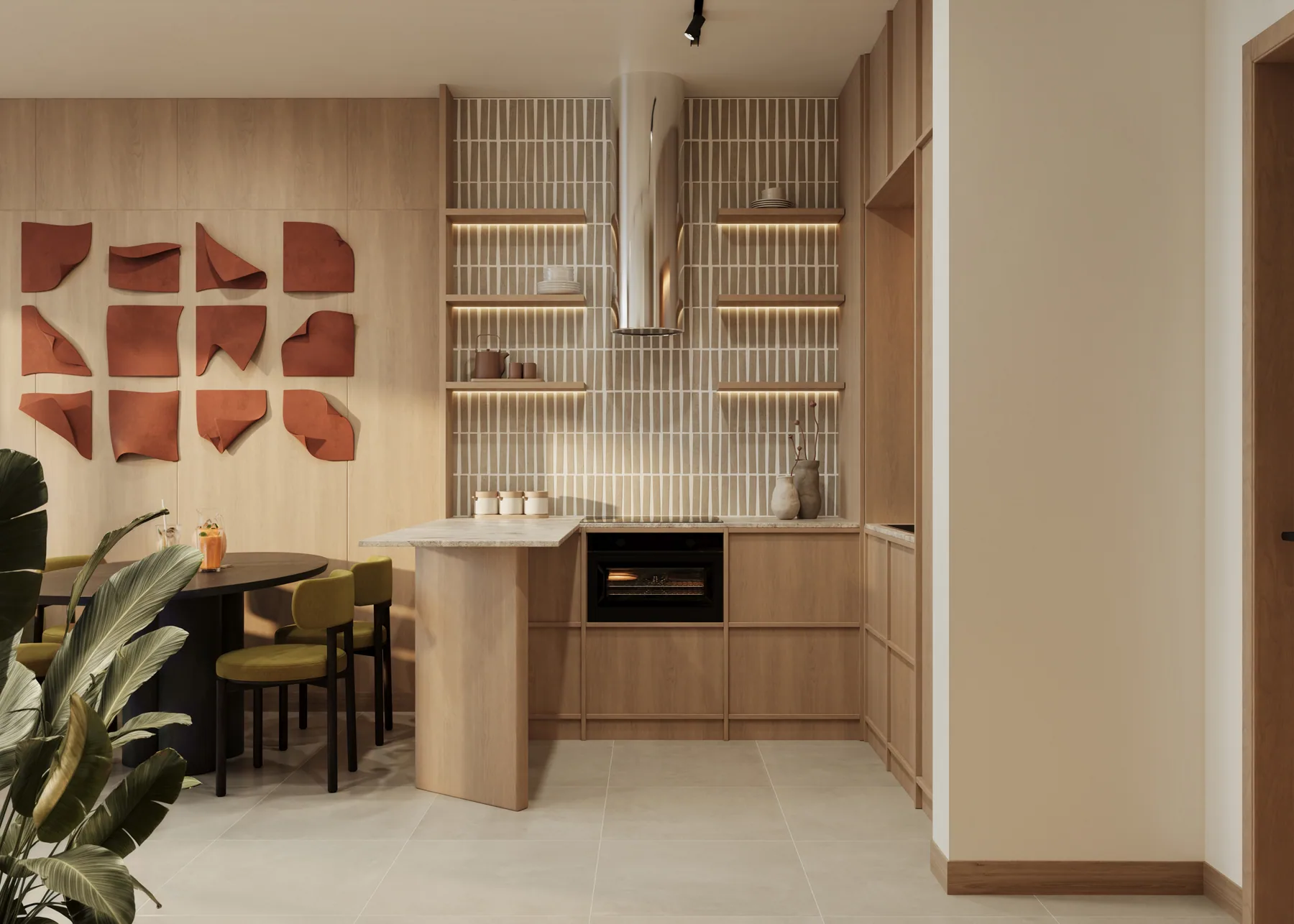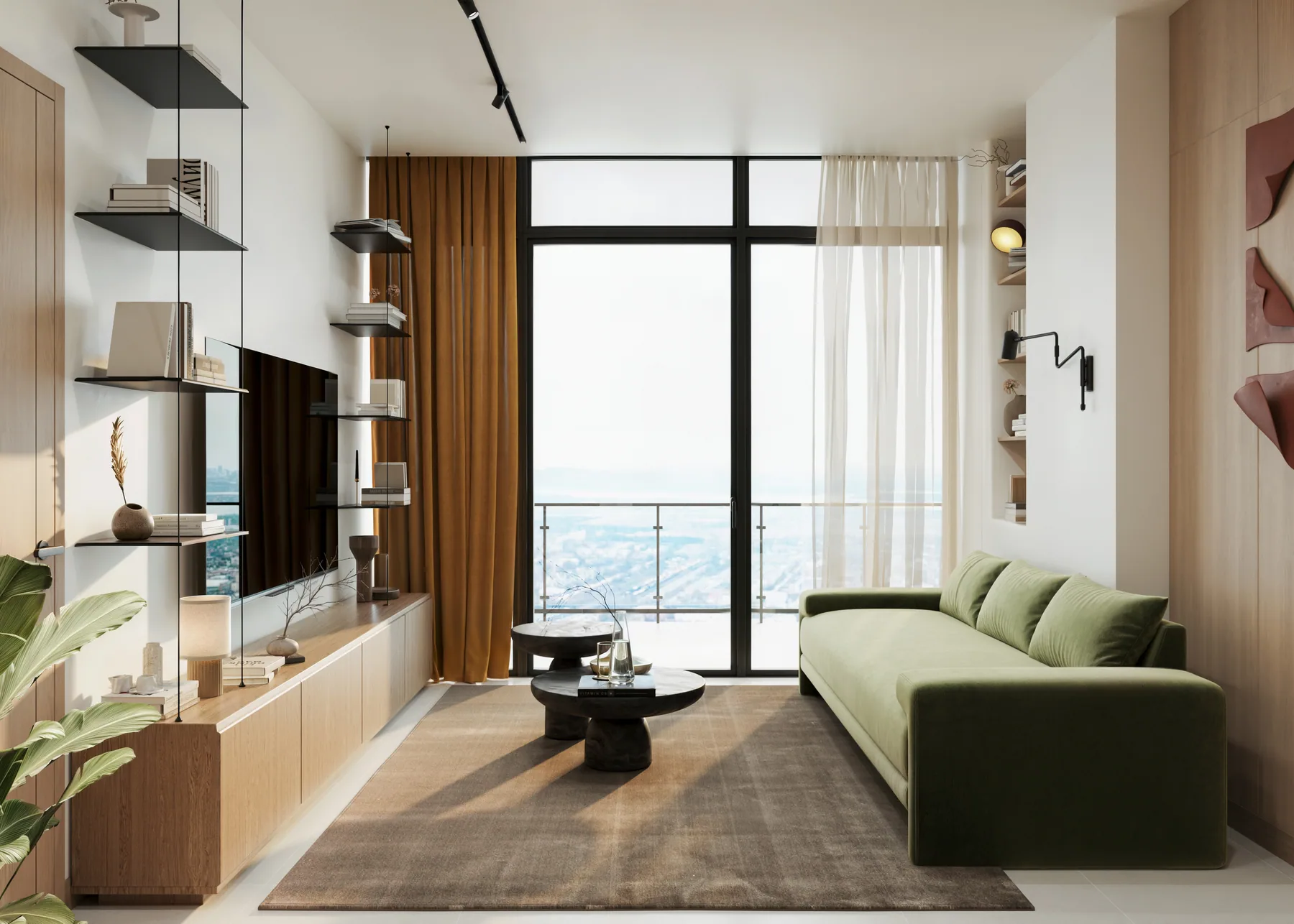
Unit guide
Junior One Bed or One Bed: choosing between 35 sqm and 55 sqm
How to think through budget, liveability, investment use, and long-term flexibility when comparing the two Curated Kitisuru unit types.

The right unit is not only the one with the lowest price or the largest floor area. It is the one that matches how the buyer intends to live, rent, hold, furnish, and exit.
- The Junior One Bed is built around a lower entry price and efficient use of space.
- The One Bed gives more room for daily comfort and long-term flexibility.
- Investors should compare furnishing cost, target tenant, and likely holding period.
- Owner-occupiers should think beyond first impressions and test daily routines.
When the Junior One Bed makes sense
At 35 sqm, the Junior One Bed is the compact entry point. It may suit first-time buyers, investors looking for a lower capital outlay, and buyers who value the Kitisuru address but want a leaner purchase.
The tradeoff is discipline. Compact homes need good storage decisions, proportionate furniture, and a realistic view of how much space one person or a couple needs every day.
When the One Bed makes sense
At 55 sqm, the One Bed gives more room for living, working, furnishing, and staying longer. That extra space can matter for owner-occupiers, diaspora buyers planning future personal use, and investors targeting tenants who want more comfort.
The higher price should be weighed against long-term flexibility, potential tenant appeal, and the buyer's own comfort threshold.
A practical decision frame
If your priority is entry price, the Junior One Bed is the natural starting point. If your priority is comfort and optionality, the One Bed deserves close attention.
Both choices should be reviewed against the published indicative plans, current availability, payment dates, and the buyer's cash-flow plan. Final signed sale documents will govern.
Compare how the plans handle privacy
The Junior One Bed provides a distinct bedroom within a compact plan, with the bathroom accessed from the living area. The 55 sqm One Bed uses a private bedroom hallway and places the bathroom off that circulation zone. Consider how each arrangement works when a guest visits or when two people have different schedules.
Privacy is not only a room count. Door positions, sight lines, sound separation, and the route between bedroom and bathroom all affect how a home feels in daily use.
Test furniture, storage, and work needs
List the furniture and belongings that must fit, then compare them with the approximate plan dimensions. Pay particular attention to wardrobe capacity, kitchen storage, dining space, luggage, cleaning supplies, work equipment, and the clear path around the bed and seating.
The larger plan publishes a laundry cupboard and more internal area, while the Junior One Bed is designed around tighter spatial discipline. Neither advantage matters unless it fits the intended resident's routine.
Compare the published payment commitment
The Junior One Bed is published at KES 3,000,000, with a KES 600,000 deposit and an indicative KES 2,350,000 balance after the separate KES 50,000 booking amount. Spread evenly across 18 months, that balance is about KES 130,556 per month.
The One Bed is published at KES 4,500,000, with a KES 900,000 deposit and an indicative KES 3,550,000 balance after the separate booking amount. Spread evenly across 18 months, that is about KES 197,222 per month. Confirm exact due dates and booking-fee treatment before relying on these illustrations.
Use a final three-question test
First, can you comfortably meet the payment schedule without relying on an uncertain future event? Second, can the intended resident use the layout comfortably for the planned holding period? Third, have you reviewed the availability and final transaction documents with the appropriate independent advisers?
If one answer is no or unclear, the next step is more investigation rather than a rushed choice. A useful comparison should increase confidence by making tradeoffs visible.
Want the project documents?
Request the brochure, price guide, floor plan updates, or a site visit through the enquiry form.