Kitisuru buyer guide
How to compare apartments for sale in Kitisuru
A practical framework for comparing location, layout, total purchase commitment, documents, delivery risk, and everyday liveability before choosing a Kitisuru apartment.

A useful apartment comparison goes beyond price per square metre or a polished render. Buyers need a repeatable way to test whether an address, layout, payment schedule, document set, and developer process fit their actual plans. This guide provides that framework without assuming that one type of home is right for everyone.
- Compare the complete purchase commitment, not only the headline price.
- Test each floor plan against real furniture, storage, privacy, and daily routines.
- Separate confirmed project facts from concepts or items awaiting final release.
- Visit the location at useful times and check live routes rather than relying on one travel estimate.
- Use independent legal and financial advice before signing or transferring funds.
1. Begin with your intended use
An owner-occupier, a long-term investor, a parent buying for a family member, and a diaspora buyer may all evaluate the same apartment differently. Start by writing down who will use the home, when they expect to use it, how long they may hold it, and which daily needs cannot be compromised.
This prevents the decision from being driven by a single attractive feature. A lower purchase price may matter most to one buyer, while another may place more weight on privacy, workspace, storage, or the ability to remain in the home for longer.
2. Compare the address as a daily system
A Kitisuru address should be assessed through actual routines. Map the trips that matter to you, such as work, school, healthcare, shopping, family, and airport travel. Then test the relevant routes at different times because Nairobi traffic can change the experience substantially.
For Curated Kitisuru, the published location is Kirawa Road. The website describes connections toward Lower Kabete, Peponi, Red Hill, Limuru Road, Gigiri, Rosslyn, Ruaka, and Westlands, depending on route and traffic. These are orientation points, not guaranteed journey times.
3. Read the plan from the entrance inward
Do not judge a floor plan only by its total area. Follow a normal day through it: arriving with bags, preparing food, eating, working, receiving a guest, storing cleaning items, doing laundry, sleeping, and moving to the bathroom. Look for wasted circulation as well as spaces that may appear efficient but are difficult to furnish.
The published Curated options are a 35 sqm Junior One Bed and a 55 sqm One Bed. The supplied indicative plans show different approaches to storage, bedroom access, utility provision, and balcony area. Buyers should review the actual dimensions and confirm what is included in the stated internal area.
4. Build a complete cost and cash-flow view
A headline price does not show whether a purchase is comfortable for your finances. Record the booking amount, deposit, scheduled balance payments, likely professional fees, taxes or statutory costs, furnishing, moving, financing, and a contingency. Ask an appropriate adviser which additional costs apply to your circumstances.
Curated currently publishes KES 3,000,000 for the Junior One Bed and KES 4,500,000 for the One Bed. The published framework is KES 50,000 to book, a 20% deposit, and the remaining balance within the 18-month construction period. Confirm the treatment of the booking fee and exact due dates in the final documents.
5. Compare evidence, not presentation
Marketing should help you understand a proposal, but it should not replace due diligence. Create two lists for every development: what is confirmed in documents and what is still conceptual, indicative, pending, or subject to approval. Ask for clarity when a brochure, render, conversation, and legal document appear to differ.
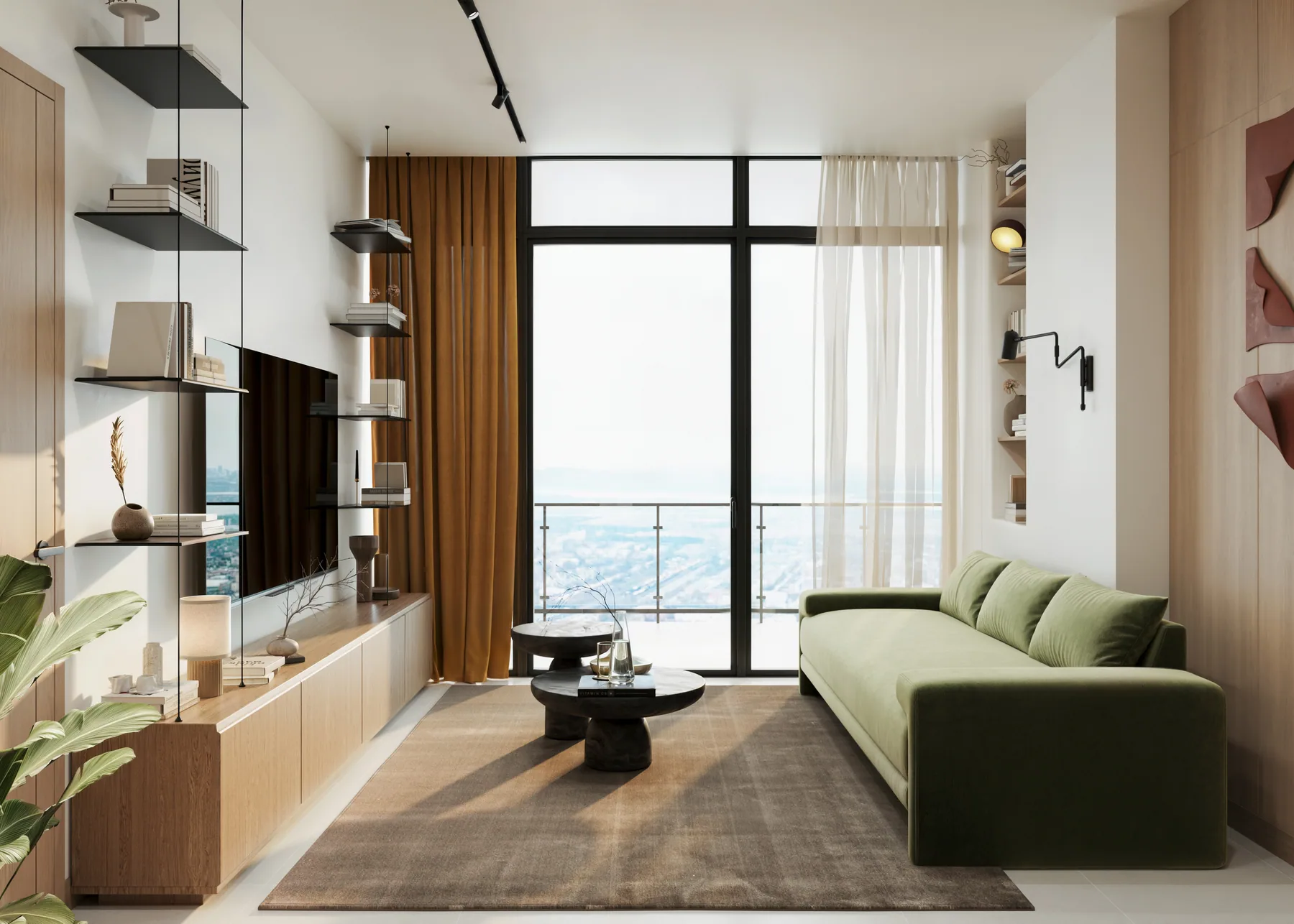
Curated labels its interior images as indicative architectural renders. Final plans, finishes, specifications, amenities, timelines, approvals, and sale terms should be confirmed through the approved documents released for the transaction.
6. Test the developer's buyer process
The quality of a buyer journey can indicate how organised the underlying process is. Check whether questions receive clear written answers, payment instructions can be verified, receipts are prompt, documents have dates and versions, and unconfirmed information is identified honestly.
Keep your own record of every material exchange. Store the advertisement or brochure you relied on, the availability confirmation, reservation document, payment schedule, receipts, correspondence, and signed agreements together.
7. Use a simple comparison scorecard
Score each option against the same headings: intended use, location fit, layout fit, payment comfort, document readiness, project evidence, management expectations, and unresolved questions. Add a short written reason for every score so that the exercise remains meaningful.
A scorecard does not make the decision for you. It exposes tradeoffs and shows which unanswered questions could change your choice. Pause before reserving if a critical answer, document, or source of funds remains uncertain.
Want the project documents?
Request the brochure, price guide, floor plan updates, or a site visit through the enquiry form.